Home care
Practical help.
In a personal world.
Evaluate assistive robotics around one person’s needs, one home, and the people who help make daily life work.
Discuss this settingA starting hypothesis
Everyday assistance
Explore ways to bring useful items within reach, support connection, or simplify a recurring task.
The right fit is personal: control method, reach, floor plan, support, and the person’s preferences all matter.
What changes the fit
- Room layouts, thresholds, and charging
- Accessible controls and user preference
- Setup, remote access, and reliable help
A focused first pilot
One useful job.
A clear way to learn.
One person-selected task, in one home, with a clear support and recovery plan.
What we would measure
Measures to define with your team. No performance outcome is assumed.
The research conversation
Platforms to understand.
Home assistance must be evaluated for the individual and the specific task. A household demonstration is not evidence of suitability for every care need.
 See the robot
Assistive robotics
Stretch 4
A mobile manipulation platform with an assistive focus, including exploration with people who have significant mobility impairments.
Explore the platform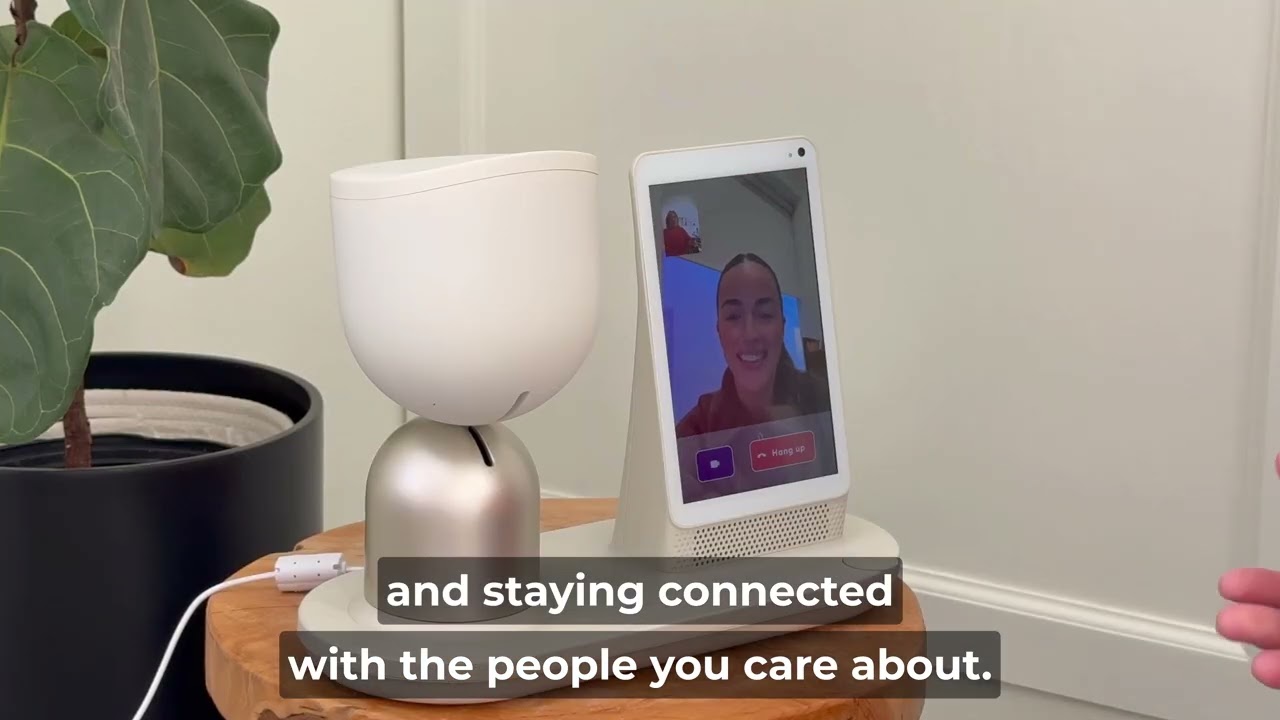 See the robot
Companionship
ElliQ
A conversational companion focused on engagement and daily routines for older adults.
Explore the platform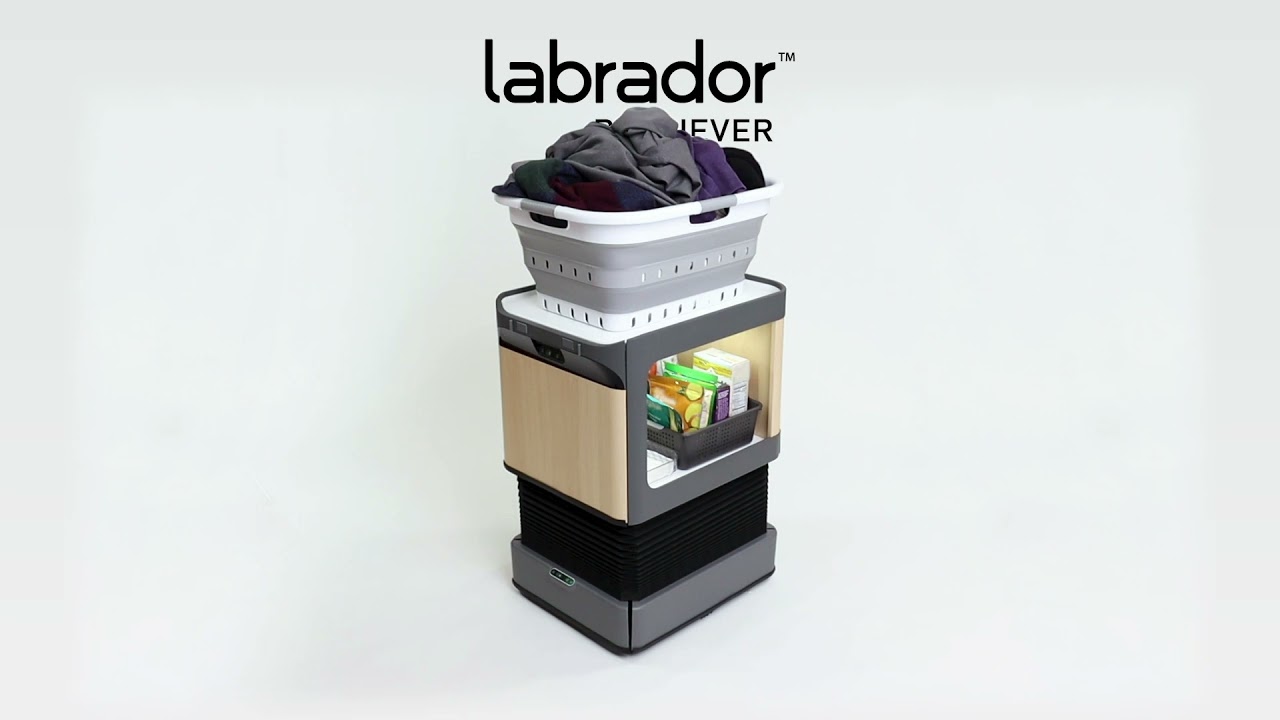 See the robot
Assistive robotics
Retriever
An assistive carrying platform designed to move everyday items and bring them within reach.
Explore the platform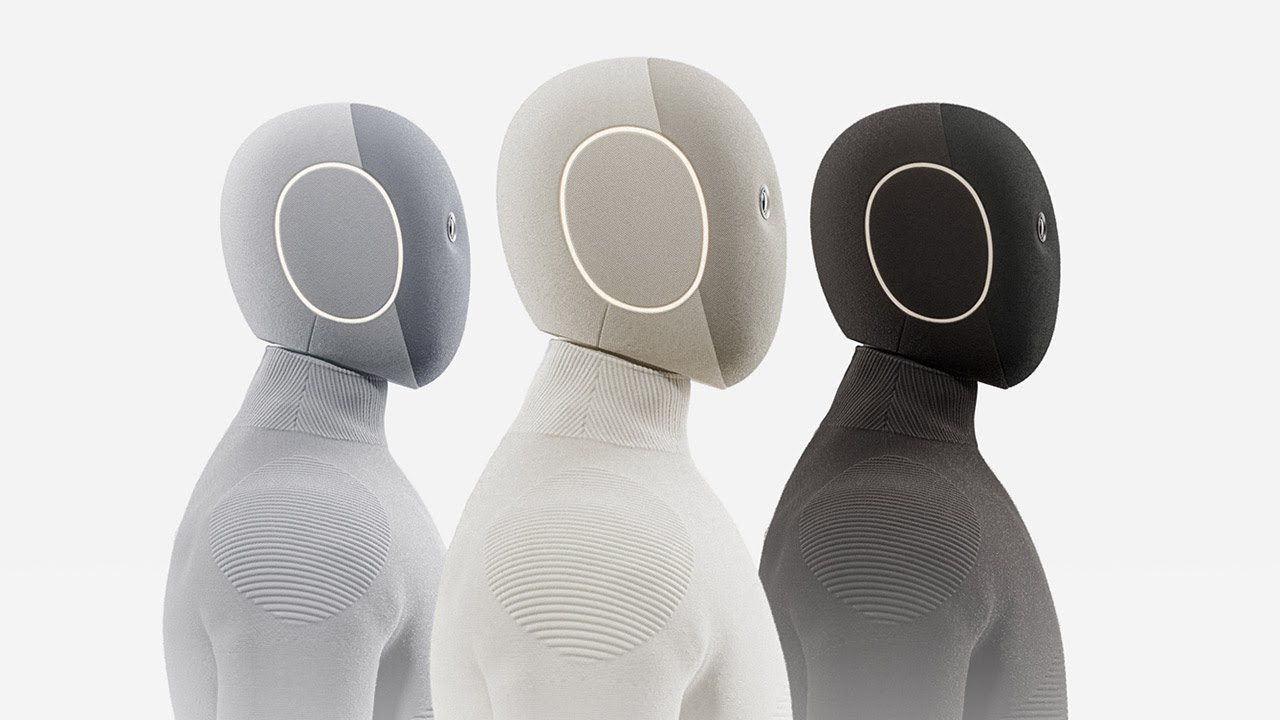 See the robot
Humanoids
NEO
A home humanoid program combining early autonomous capabilities with scheduled expert assistance for unfamiliar tasks.
Explore the platformResearch examples, not a procurement shortlist. Vendor support, access, and care-setting suitability require confirmation.
Connect
Let’s talk
Bring your next idea for care.
Start a conversation